


Datasheet
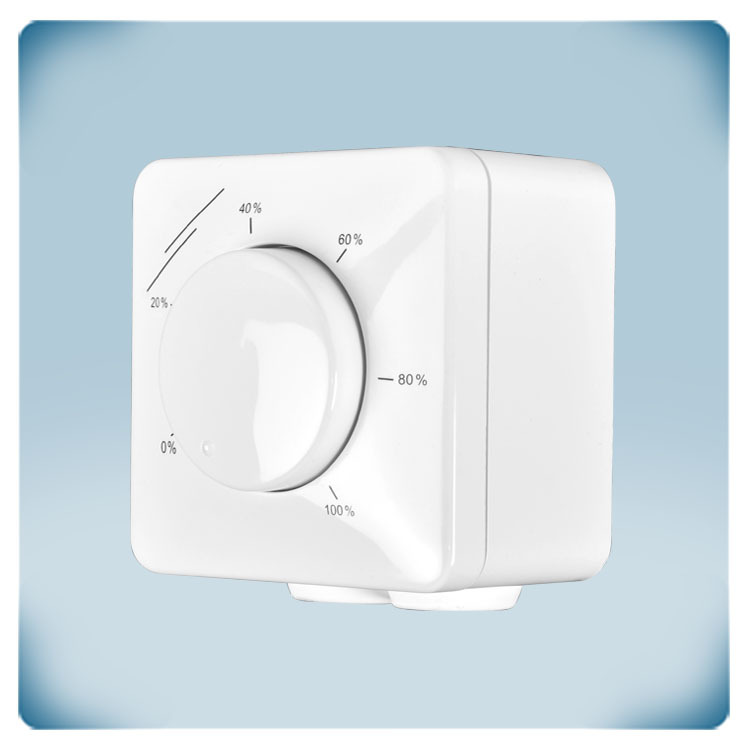
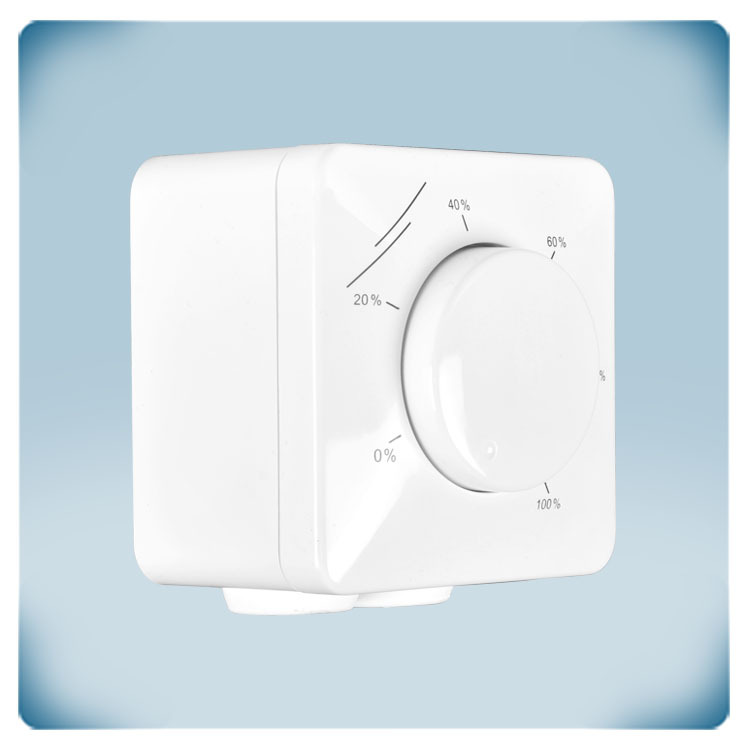
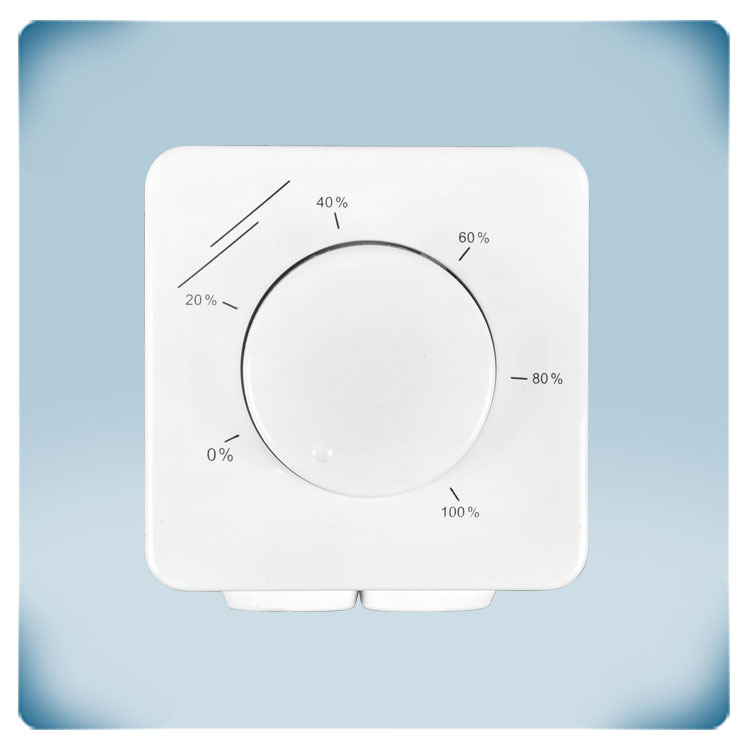
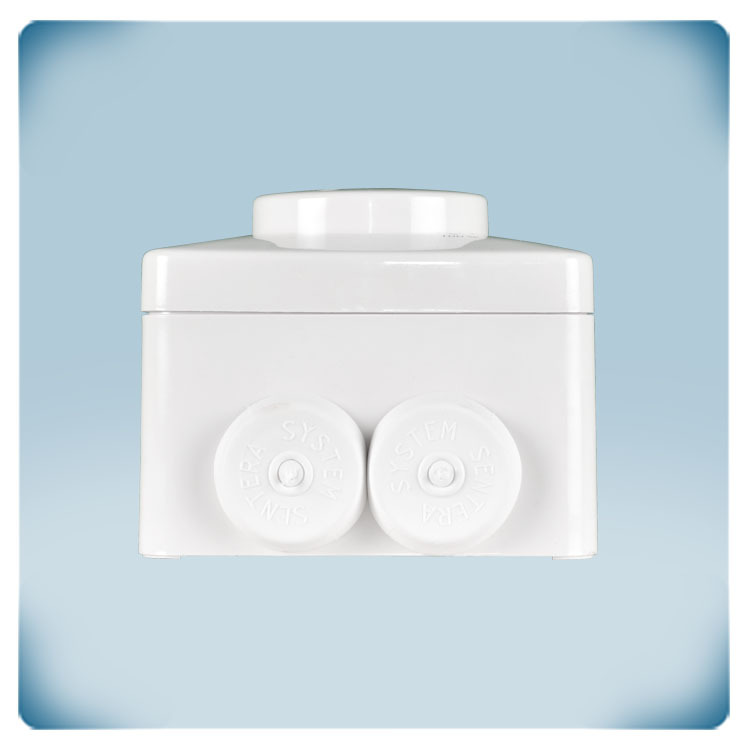
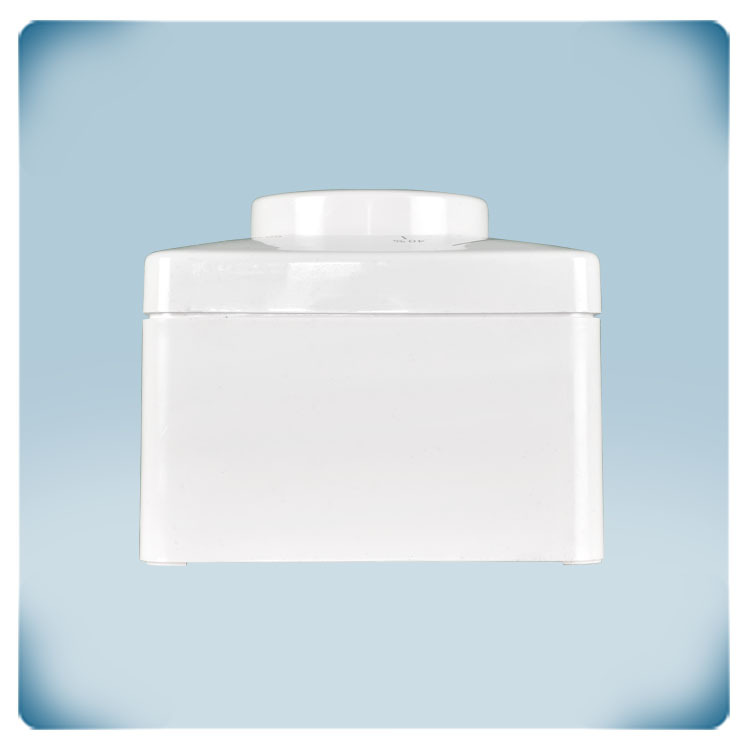
0-10 V Potentiometer | OFF position | 24 V supply
Product description
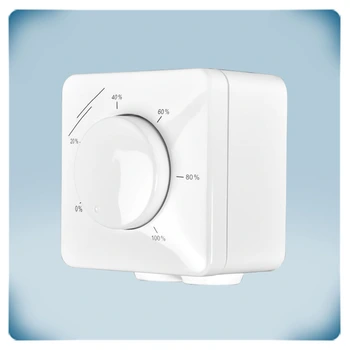
MTPNG010-AT is designed for control applications in ventilation systems and for use with speed controllers or frequency inverters. It operates with a supply voltage of 15—24 VAC or 18—34 VDC.
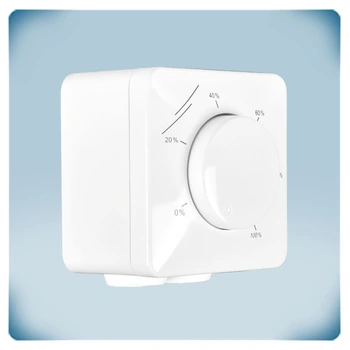
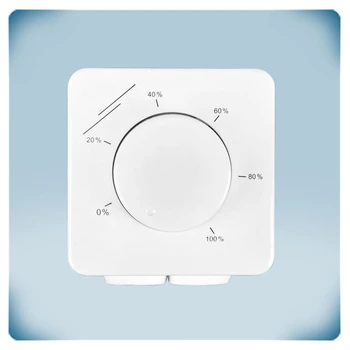
The device provides a continuously variable output signal that can be adjusted using a manual rotary knob. The OFF position allows the control signal to be deactivated by turning the knob anticlockwise. The minimum and maximum output levels can be adjusted using two trimmers within ranges of 0—7 VDC and 3—10 VDC, respectively.
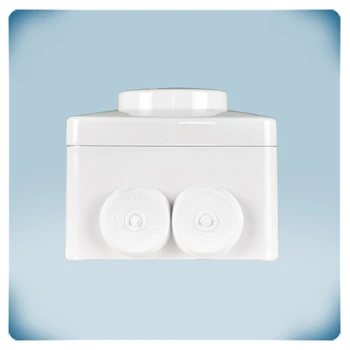
The MTPNG010-AT is mounted in a splashproof enclosure suitable for both inset (IP44) and surface mounting (IP54).

Additional specifications and description
What Is the Purpose of a 0–10 V Potentiometer?
The control signal (the potentiometer output) increases or decreases depending on the position of the rotary knob. It can directly control an EC fan or a damper actuator. This is the most common type of control signal. The potentiometer can also be used to remotely control speed controllers for AC fans with an analogue input (for example, the EVS and MVS series) or frequency inverters (the FI-E series). An example application is mounting the potentiometer in an office space while the fan speed controller is located in a technical room or electrical cabinet. This provides convenient and effective control of the HVAC equipment.
Why Is 24 V Commonly Used in HVAC Systems?
A 24 VDC or 24 VAC supply voltage is widely used in the HVAC industry, mainly for reasons of safety, efficiency and compatibility. Lower voltages are safer for both equipment and people. They reduce the risk of electric shock and generally fall into the low-voltage category, which makes them better suited to residential and commercial HVAC systems. Many HVAC control systems, including thermostats, sensors and other electronic components, are designed to operate at 24 V. This standardisation ensures compatibility between components from different manufacturers and makes it easier for installers and technicians to work with a variety of equipment. Operating at a lower voltage can also contribute to better energy efficiency, as it reduces power losses and heat dissipation, especially in control circuits and electronic devices. In addition, using lower-voltage components can extend the service life of electronic equipment. Sentera offers a wide range of high-quality 24 V power supplies with overvoltage and overload protection.
What Is the Purpose of an HVAC Potentiometer?
The control signal (the potentiometer output) increases or decreases depending on the position of the rotary knob. This signal can directly control EC fans or damper actuators. It can also be used for remote control of AC fan speed controllers (such as Sentera’s EVS and MVS series) or frequency inverters (FI-E series). An example application is installing the potentiometer in a living room while the fan speed controller is located in a technical room or electrical cabinet. This enables convenient and effective control of the HVAC equipment.
The control signal (the potentiometer output) increases or decreases depending on the position of the rotary knob. This signal can directly control EC fans or damper actuators. It can also be used for remote control of AC fan speed controllers (such as Sentera’s EVS and MVS series) or frequency inverters (FI-E series). An example application is installing the potentiometer in a living room while the fan speed controller is located in a technical room or electrical cabinet. This enables convenient and effective control of the HVAC equipment.
Why Adjust the Control Signal Limits in HVAC Systems?
For some applications, it is desirable to adjust the minimum and maximum values of the control signal. This is particularly useful when certain EC motors or damper actuators are not compatible with excessively low control signals. To address this, the minimum value of the control signal can be set via a built-in trimmer, allowing optimal operation without compromising equipment integrity. With overdimensioned fans, the maximum value of the control signal needs to be adjusted. This is done using a maximum trimmer, which effectively limits the maximum fan speed. By setting these limits, the system can be fine-tuned to specific requirements, ensuring optimal performance and a long service life of the HVAC equipment.
What Are the Limits of the Control Signal?
They depend on the MTPND supply voltage. The supply voltage must be in the range of 3–15 VDC. The minimum value can then be set between 10 and 70 % of the supply voltage, and the maximum value between 30 and 100 % of the supply voltage. Always check that the limits you set, in combination with the supply voltage, result in an output signal that complies with the specifications of the connected device. For example, if the supply voltage is 15 VDC and the high limit is set to 100 %, the connected device must be able to handle a control signal of up to 15 VDC.
They depend on the MTPND supply voltage. The supply voltage must be in the range of 3–15 VDC. The minimum value can then be set between 10 and 70 % of the supply voltage, and the maximum value between 30 and 100 % of the supply voltage. Always check that the limits you set, in combination with the supply voltage, result in an output signal that complies with the specifications of the connected device. For example, if the supply voltage is 15 VDC and the high limit is set to 100 %, the connected device must be able to handle a control signal of up to 15 VDC.
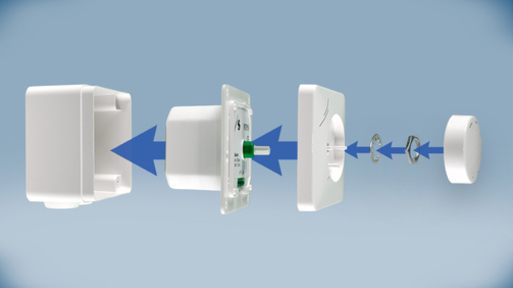
Note: The minimum and maximum values of the control signal can be adjusted via the trimmers under the front cover. To reach them, remove the rotary knob by turning it to the right until it pops out. Unscrew the loose nut to remove the cover of the external enclosure.
What Does the OFF Position Do?
The rotary knob has an OFF position. When the knob is turned fully anticlockwise, the control signal is disabled. When the knob is turned clockwise, it clicks out of the OFF position. The control signal immediately jumps to the set minimum level. If an EC fan is connected to the potentiometer, it will start and accelerate towards low speed. The EC fan can never run at a speed lower than the set minimum.
What Makes the Enclosure Reliable?
The potentiometer can be wall-mounted or built-in. Its mounting holes fit the standard European wall boxes perfectly. The enclosure is made of high-quality white ASA plastic. The material is UV resistant and protects against impacts. The protection class is IP44 when built-in and IP54 when wall-mounted. In indoor applications, the enclosure protects the electronics against ingress of dust, dirt and water. It is easy to clean with a damp cloth.
Remarks, reviews & ratings